

About Us
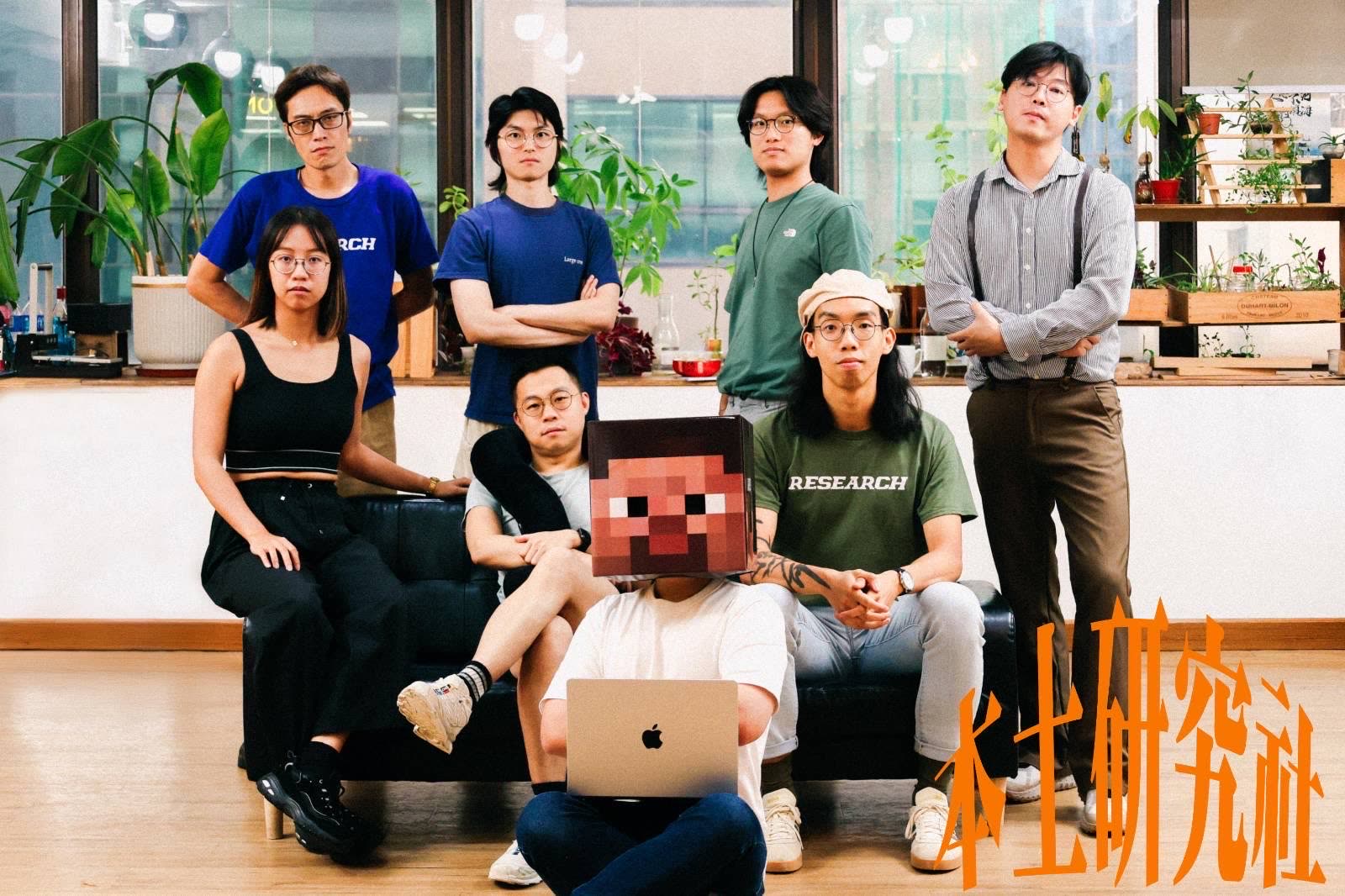


Where We Research Together
Liber Research Community was founded in 2010 and registered as a non-profit organisation in 2014 (Liber Research Community (HK) Company Limited). It was started by a group of friends keen to promote community research and who care about Hong Kong’s development, as an experimental platform where people concerned about different issues can take part in research together. Through collaborative research and knowledge, we engage with important urban issues and bring the perspectives and imagination of community research to public policy debates.
Liber Studio: Breakthrough Centre, 7/F, 191 Woo Sung Street, Jordan, Kowloon (Google Maps ↗)
1Our Researchers

Emily

Sunny

Kim Ching

Brian

Miles

Hilary
2Ten Tough Questions
Who Is Liber’s Hidden Sponsor?
For years Liber has run on small monthly or annual subscriptions from the Hong Kong public. We do not accept a big sponsor or big corporate backing, so that our support is earned rather than handed to us by anyone.
If you believe Hong Kong needs solid community research, the sponsor could be you.
How Do You Stay Independent Within the System?
Keeping our own interests, social concern and insight, and not relying on AI for quick answers, are the inner keys to staying independent and unaffected.
Financial independence is what makes research independence possible. We openly admit that for many years we have not fully broken even, and occasionally rely on urgent subscription appeals and project collaborations to keep going. We hope one day to be 100% financially independent.
Isn’t Community Research Rather Amateur?
We do not let the line between professional and amateur limit how we imagine the value of community research.
For years Liber’s researchers and volunteers have started from our own interests and concerns, looking for questions that can be investigated within the limits of community resources. We care equally about method and argument, truth and facts. Over the years our basic research, innovative experiments, issue advocacy, knowledge sharing and social impact on Hong Kong public issues have been plain for all to see.
We also warmly welcome critique and correction based on the value and quality of what we publish.
Which Political Camp Do You Belong To?
Our researchers come from different academic backgrounds and care about Hong Kong’s urban and social issues. We do not ask about political camps; we only seek the truth in depth.
If Supporters Dislike Your Research, Will You Change Your Stance?
If many supporters say they dislike it, we will try to reflect on whether our own line of thinking is at fault, but we will not let the preferences of individual supporters shape the views in our published research.
You Often Study Public Issues. Have You Ever Studied Your Own Problems?
In our workflow, every week the researchers review and examine past research work together, discussing results and potential problems. During a research project, several researchers also check each other’s work on data collection, analysis, writing and publishing strategy to ensure quality.
Not ambitious enough, no business mind, too focused on the research itself and forgetting to build influence, and issues that are too scattered: these are the organisational problems Liber is aware of in itself. We also welcome exchange and correction on both public issues and organisational problems.
What Is the Point of Researching Public Issues in Hong Kong Today?
Whether an issue is accepted by decision-makers and whether it can be seen are two different things. Many issues affect public life; even if they are not accepted, the facts and arguments still need to be sorted out. Sometimes building public awareness is itself one of the conditions for changing a public issue.
The starting point of community research is precisely to fill this gap and create the conditions for change. Since we began, its value remains.
So Much in Hong Kong Deserves Support. Why Should I Subscribe to You?
There is indeed much in Hong Kong worth supporting. Our research community also keeps subscribing to different community groups, and through research, space and sharing Liber supports more community initiatives and advocacy.
Monthly subscription is entirely your choice: you can stop and restart at any time. We also welcome support in other ways, such as venue and event collaboration.
The Better the Research, the More Likely It Offends Someone. Have You Received Threats?
Exposing problems, dispelling myths, sharing information and offering critique are a researcher’s duty, and sometimes affecting vested interests cannot be avoided.
Over the years we have rarely been threatened or harassed. In recent years a few suspicious anonymous letters and emails have appeared, but not many.
We also buy insurance for researchers, the workplace and fieldwork activities, giving researchers basic protection.
Researchers Are Paid So Little. Is the Model Sustainable?
Besides open data and research ideas, what community research needs most is people who share the same goals and genuinely care.
Our researchers on staff do not seek wealth, only that research topics they care about can continue, and our volunteers help out selflessly without reward. These are the conditions that keep us going.
3Getting to Know Liber
Interviews with Liber
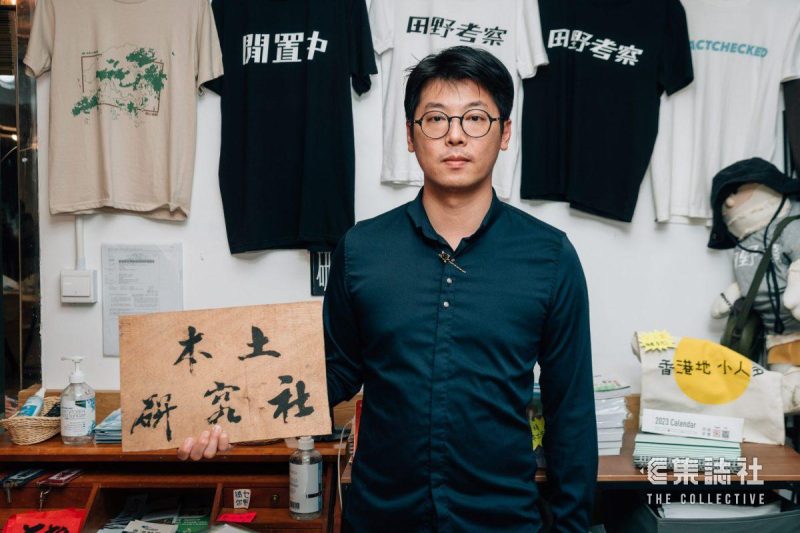
The Post-Movement Era | Holding the Streets, Lobbying LegCo, Self-initiated Research
“In the past, some of our research could make the front page for days, and reporters and commentators would keep following up. Now we have to do every step ourselves and think about how to move the issue forward.” The workload of the Liber team has grown as a result. In recent years it has launched a podcast, made videos and produced infographics for social media, hoping to spread more information. … Fewer and fewer voices from the community are offering different views, and issues get less discussion than before. He believes it is necessary to keep offering different views from the community’s perspective. He says the team has put more effort into pushing issues forward, but substantive discussion and development of issues are far below what they used to be.

U-Beat interview: Liber Research Community
Silver lampshades hang from the ceiling, the floor is timber, and the cabinets hold board games and snacks. The studio looks more like an upstairs café, and no one would guess that this stylish space produces research reports that go after the government’s land policies, including the Small House Policy, short-term land leases and brownfield sites.
“Whenever a social issue comes up and we have room for research, we immediately sort out and analyse the material, respond quickly and step into the controversy in real time.”
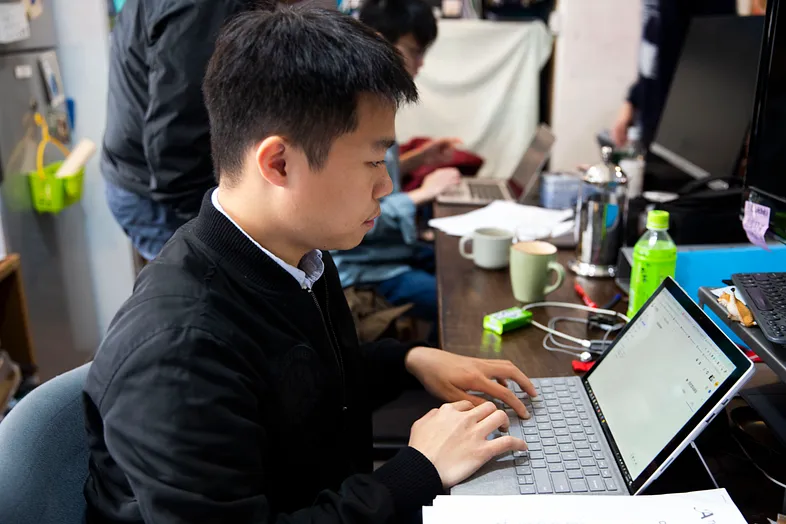
From a HK$50,000-a-month civil servant to a community researcher: the big questions of Hong Kong land
In major discussions of land research in Hong Kong in recent years, Liber Research Community, to which he belongs, has never been absent. He is one of seven researchers in this crowdfunded community research group, which aims to study Hong Kong’s land problem and dispel the myth of “not enough land supply”. In its seven years it has published four books and more than a dozen research reports, each of which sparked public debate and drew a government response, sending ripples far and wide.
Liber speaks in numbers, and the hardest part is finding data. “Using a small knife to saw a big tree” has always been their way. With no money to buy large amounts of land data, they improvised: they recruited a group of volunteers who used tools such as Google Earth and ArcGIS to identify suspected brownfield sites by hand from satellite and aerial images.
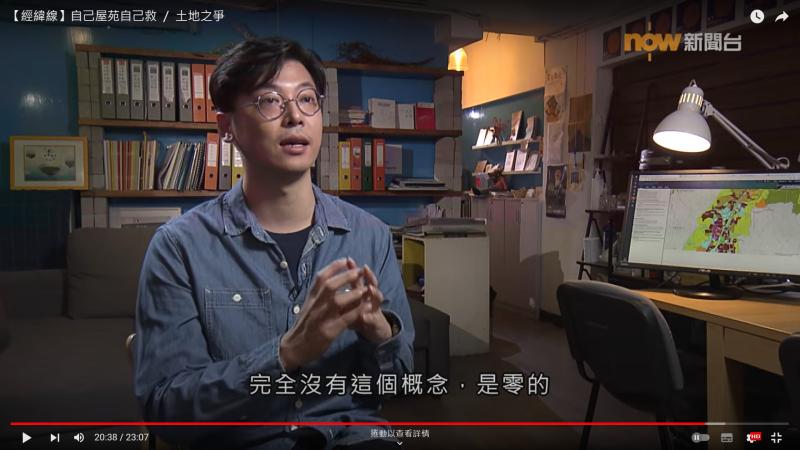
The Land Contest
What is community research? Does the research make any difference? Are we out of step with the times? These are the questions community researchers ask themselves every day, and have for ten years. From fieldwork and planning collaborative research in the office, to lying in bed with a raised pillow thinking things over, thanks to NOW’s “Newsline” for introducing and recording the life and thinking of community researchers.
Everyone a Citizen, Series 1: “We Are Still Researching”
As civil society recedes, Liber Research Community has chosen to stay and keep holding the ground of community research. But with civil society dissolving, the media shrinking, information growing less transparent, and a weaker economy and emigration reducing donations, what challenges does it now face? And how can it keep the mission and role of community research alive?
4In the Media
Our issue-driven research continues to draw attention and citations from major media, an important step in taking community research to the public.
April 2025 to September 2026 (18 months)
Monthly count
5Published Articles
Our research output has stayed prolific in recent years, finding the many kinds of Hong Kong issues that still deserve investigation and research.
April 2025 to September 2026 (18 months)
Articles published per month
Echoes of Research
Notes left by former researchers when they moved on.
6Research Recycle Bin
Things Randomly Left Behind by the Research Process
7Contact Us
Enquiries, tips, collaboration and support are welcome
Email info@liber-research.comWhatsApp 5500 6973Facebook message (PM)Instagram
Subscribe to get Liber’s latest news
Leave your name and email and we will notify you through our newsletter.